
Should You Repair or Replace Your Washing Machine?
Learn when it makes more sense to repair a washing machine and when replacement is the smarter long-term choice.
The right answer depends on age, fault, and repair value
A washing machine problem does not automatically mean replacement is the smartest move. Many faults are still worth repairing, especially when the unit is not too old and the issue is straightforward. But once the machine is older, repeatedly troublesome, or facing a major repair, replacement often becomes the more sensible long-term decision. The key is to look at age, likely repair cost, and whether the machine still feels dependable for normal household use.
When repair usually makes more sense
| Feature | Usually worth repairing | Often closer to replacement |
|---|---|---|
| Machine age | Newer or mid-life units often deserve a proper repair check first | Older machines with major issues often move closer to replacement |
| Type of fault | Blocked pumps, seals, switches, belts, or simpler faults may still be worth fixing | Electronics, motor, or gearbox failures can make replacement more realistic |
| Repair cost | Reasonable repairs can still protect the value of the machine | Higher repair costs on older machines weaken the case for repair |
| Reliability pattern | A one-off fault is different from repeated breakdowns | Frequent problems usually signal weaker long-term value |
Why age matters more than many buyers think
A washing machine can still be repairable after many years, but the older it gets, the more important the repair economics become. Once the machine is already well into its working life, even a repair that is technically possible may not be the strongest financial decision. What matters is not just whether the unit can be fixed, but whether the repaired machine is still likely to give dependable service afterward.
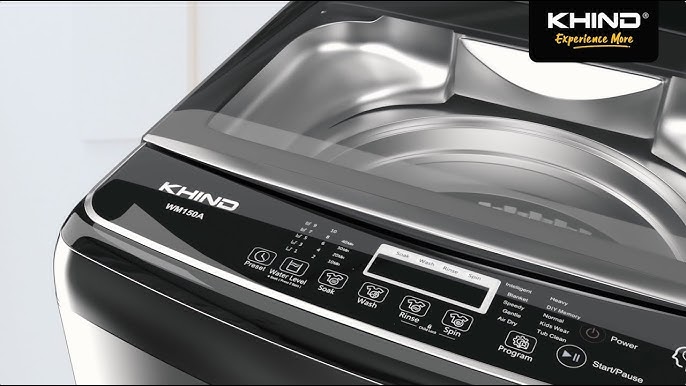
A practical way to think about the decision
If the machine is still within a reasonable working age and the fault is moderate, repair often deserves a proper look first. If the machine is older, the repair is expensive, or the washer has already been unreliable, replacement becomes easier to justify. The strongest buying decision usually comes from comparing not just today’s repair bill, but the confidence you have in the machine over the next few years.
Frequently asked questions
How long should a washing machine usually last?
Many washing machines have a general life expectancy around the 10-year range, but major repair decisions often become harder to justify well before that point.
Should I always repair a washing machine first?
Not always. Repairing is often sensible for a newer machine or a simpler fault, but not every old machine is worth major repair spending.
What faults are usually more serious?
Motor, gearbox, or major electronics failures tend to push the decision more toward replacement than simpler pump, belt, or seal issues.
Does repeated unreliability matter more than a single fault?
Yes. A one-off repair can still make sense, but repeated issues usually weaken the long-term value of keeping the machine.
What is the biggest mistake buyers make?
Paying for a major repair without thinking about the machine’s age, overall reliability, and how likely another fault is in the near future.
Need help comparing replacement options?
If your washer is becoming unreliable, tell us your household size, preferred washer type, and laundry space. Kennedy Electrical can help you compare more suitable replacement options.
Get washing machine advice