
How to Choose the Right Fridge Size
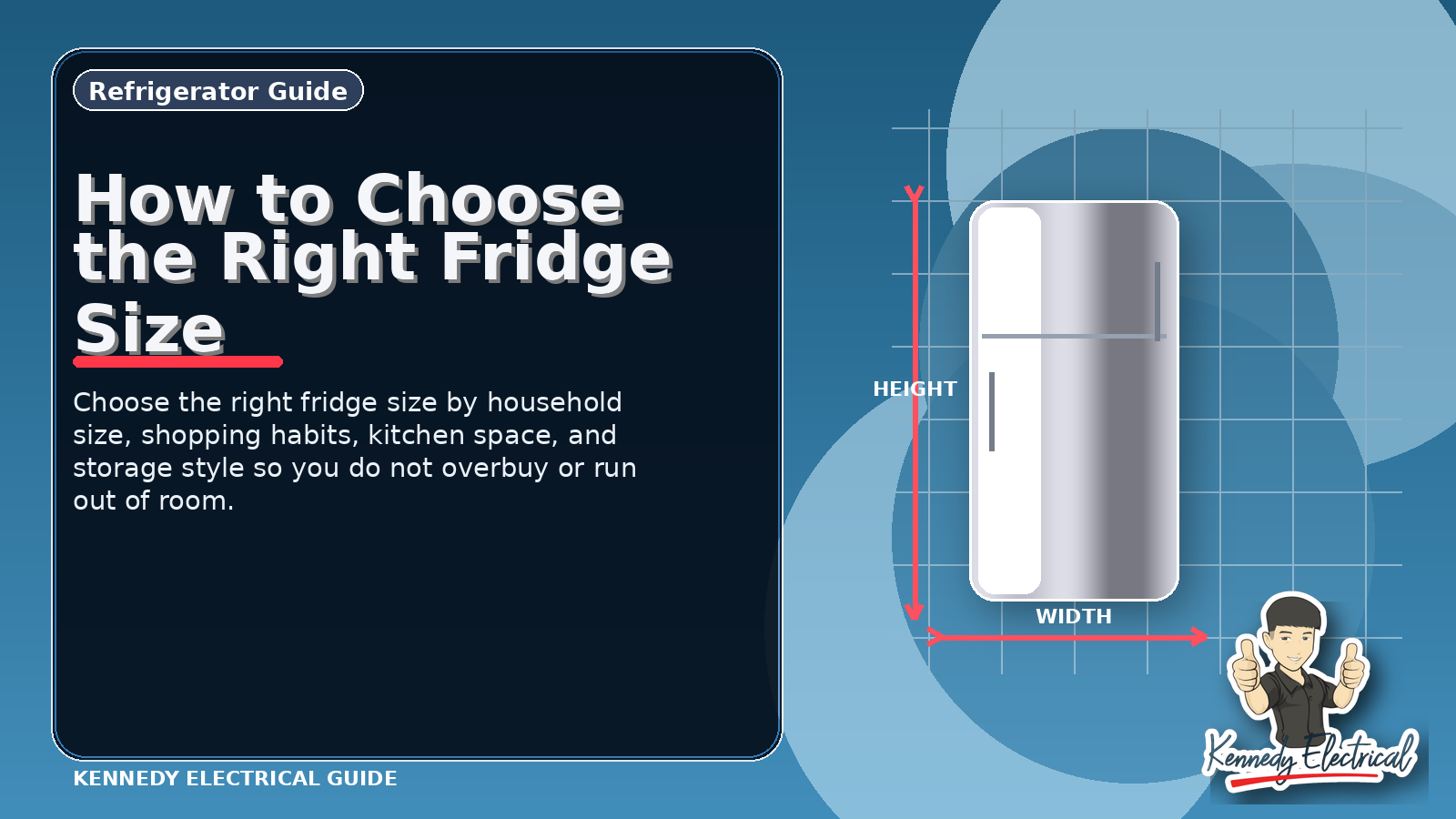
Choose the right fridge size by household size, shopping habits, kitchen space, and storage style so you do not overbuy or run out of room.
Start with your household size, but do not stop there
Household size is a helpful starting point, but the right fridge capacity also depends on how often you shop, how much fresh food you keep, whether you store large bottles or meal prep boxes, and how much freezer space you actually use. A small household that shops in bulk may need more capacity than expected, while a larger household that shops frequently may be comfortable with a more moderate size.
A practical way to think about capacity
| Feature | Household pattern | What usually works better |
|---|---|---|
| Single person or couple | Compact to mid-size fridge if grocery volume is modest | Size up if you meal prep, host often, or store more frozen food |
| Small family | Mid-size capacity often balances space and practicality | Go larger if you buy groceries weekly in bigger batches |
| Larger family | Larger capacity is often easier to live with day to day | Consider even more freezer space if bulk storage is common |
| Heavy frozen-food use | Choose layouts with usable freezer organisation | Do not focus only on total litres if freezer layout is weak |
Think about the way you shop
If you shop once a week, buy in bulk, or regularly store party trays, tall bottles, or fresh produce, you may need more usable interior space than your household size alone suggests. Buyers often regret choosing a fridge that is technically large enough on paper but awkward inside for the items they actually store.
Measure the kitchen carefully before you buy
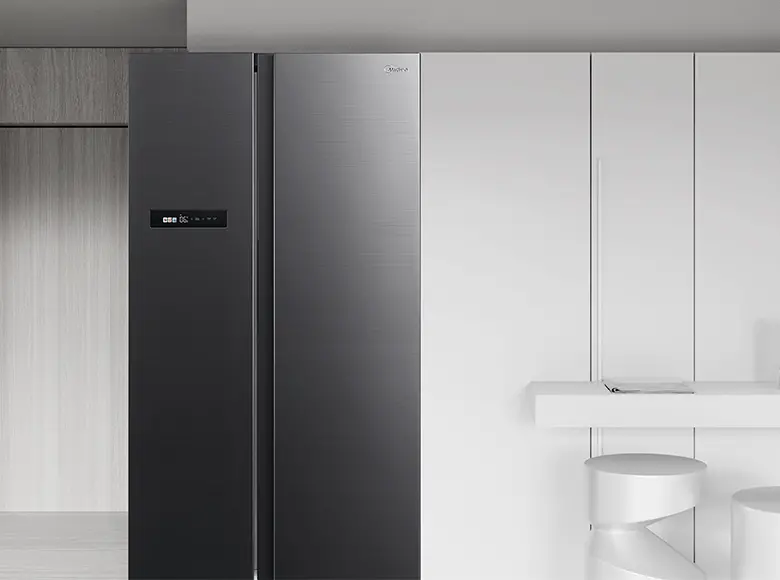
Check height, width, depth, door opening clearance, and ventilation space recommended by the manufacturer. Also measure the path into your home, including doorways, corners, lift access, and staircases. Fridge buying mistakes often happen because the capacity looks right but the product is difficult to fit or uncomfortable to use in the actual kitchen.
Common buying mistakes to avoid
| Feature | Better habit | Mistake to avoid |
|---|---|---|
| Buy for normal weekly life | Choose capacity around your real storage pattern | Choosing an oversized model only for rare occasions |
| Check shelves and compartments | Look for usable interior layout, not just litres | Assuming total capacity tells the whole story |
| Measure delivery route | Confirm access from entrance to kitchen | Only measuring the final installation spot |
| Plan for growth | Leave some flexibility if household needs may change | Buying at the absolute minimum capacity |
What matters more than capacity numbers alone
A well-designed fridge with practical shelves, door bins, crisper space, and freezer organisation can feel more useful than a larger model with an awkward layout. Focus on usable storage, kitchen fit, and daily convenience. The best fridge size is the one that feels easy to live with, not simply the one with the biggest number.
Frequently asked questions
Should I always buy the largest fridge I can afford?
Usually no. Bigger is not automatically better if the kitchen space, layout, or household habits do not need it.
Is household size the only thing that matters?
No. Grocery frequency, freezer use, meal prep habits, and kitchen dimensions all affect the best choice.
Why does a similar litre size feel so different between models?
Because shelf layout, door storage, drawer design, and freezer configuration can make usable space feel very different.
Should I size up if I host guests often?
If entertaining is regular, extra flexibility can be worthwhile, especially for fresh food and beverage storage.
What is the safest way to avoid buying the wrong size?
Measure your kitchen and delivery path first, then match the fridge to your real shopping and storage habits.
Need help choosing the right fridge size?
Tell us your household size, kitchen measurements, and how often you shop. Kennedy Electrical can narrow down a more suitable fridge capacity and layout.
Ask about fridge sizing