
How to Choose the Right Dehumidifier Size
Use room size, dampness level, and daily moisture load to choose the right dehumidifier size instead of guessing.
Dehumidifier size is about moisture, not only floor area
Many buyers assume a bigger room automatically needs a bigger dehumidifier, but the real answer depends on both room size and how damp the space is without dehumidification. A mildly musty bedroom and a laundry room with condensation, seepage, or constantly damp walls are very different situations even if they have similar floor area. The best way to size a dehumidifier is to identify the room condition first, then match that against the room size and daily moisture-removal capacity.
How to think about capacity before you buy
Portable dehumidifiers are usually sized by how much moisture they can remove in 24 hours. As a practical guide, slightly to moderately damp small-to-medium spaces often start around 20 to 30 pints per day, very damp spaces around 25 to 40 pints per day, and wet spaces around 30 to 50 pints per day. If the room is larger than about 2,000 square feet, the required capacity steps up. It is usually safer to size a little higher than too low when the room has persistent dampness, laundry drying, poor ventilation, or seepage.
Portable dehumidifier sizing guide
| Feature | Recommended starting capacity | What the room usually feels like |
|---|---|---|
| Small to medium room, slightly to moderately damp | 20 to 30 pints per day | Musty smell may appear from time to time, but walls and floors are not consistently wet |
| Small to medium room, very damp | 25 to 40 pints per day | The room consistently feels damp, and damp spots may appear on walls or floors |
| Small to medium room, wet | 30 to 50 pints per day | Walls or floors sweat, or there is seepage or heavy moisture load from laundry drying |
| Large room, slightly to moderately damp | 30 pints per day and above | Larger open area with mild but noticeable humidity problems |
| Large room, very damp | 40 pints per day and above | Persistent dampness across a broader area with stronger odour and surface moisture |
| Large room, wet | 50 pints per day and above | Heavy moisture conditions, seepage, or demanding spaces that need stronger daily moisture removal |
The humidity target most homes should aim for
A dehumidifier should not just run blindly. The goal is to bring the room into a healthier humidity range and then maintain it efficiently. In many homes, a relative humidity target around 30 to 50 percent is a sensible range. If the room is regularly above that level, mould growth, musty odours, condensation, and discomfort become more likely. That is why a humidistat and drain option are often just as important as the raw moisture-removal rating.
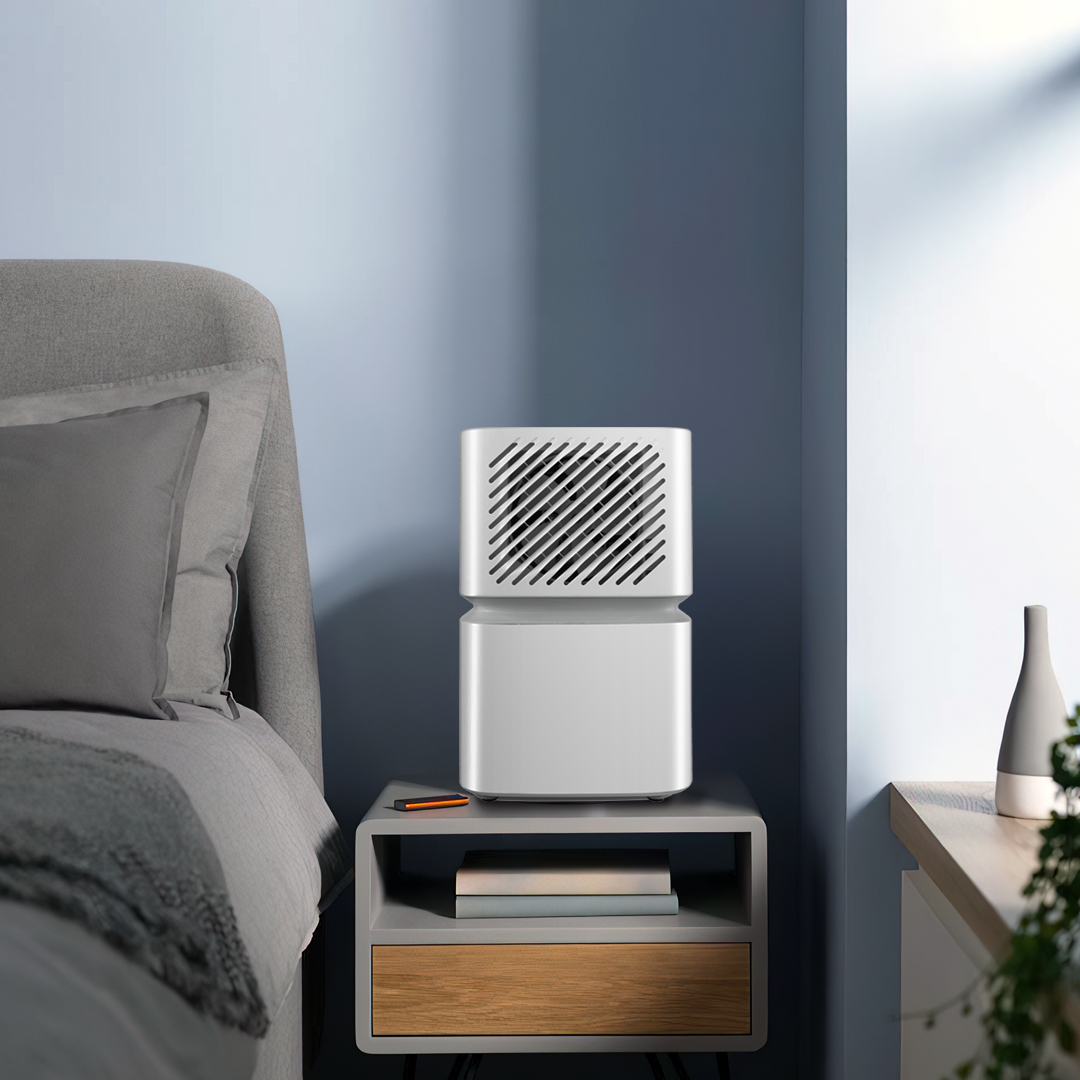
What changes the sizing decision most
| Feature | Condition | What it usually means |
|---|---|---|
| Intermittent musty smell only | You may only need an entry to mid-size unit | Do not oversize heavily if the room is only mildly damp |
| Condensation on windows or walls | Move up in capacity if the problem is frequent | Surface moisture usually means the load is more than mild |
| Laundry drying indoors | Choose more daily moisture-removal capacity | Drying clothes indoors can sharply increase humidity load |
| Seepage or sweating floors | Go stronger rather than weaker | Wet-room conditions usually justify higher capacity |
| Cooler room below about 18°C | Check low-temperature suitability and anti-frost features | Not every dehumidifier performs equally well in cooler spaces |
A quick way to avoid buying the wrong unit
Start by asking two questions: how big is the space, and how wet does it get without help? Then match the room to a realistic pints-per-day range instead of choosing only by price or brand. If the room is regularly damp, has a strong odour, or handles indoor laundry, it is usually wiser to size up modestly. Also check whether the model has continuous drainage, a humidistat, and low-temperature protection if you plan to use it in a laundry, basement-style room, or cooler corner of the house.
Frequently asked questions
Is room size the only thing that matters when choosing a dehumidifier?
No. Dampness level matters just as much. A smaller but wetter room can need a stronger unit than a larger room with only mild humidity.
Should I choose a slightly larger dehumidifier if I dry clothes indoors?
Often yes. Laundry drying creates extra moisture load, so the space may need more capacity than a simple room-size estimate suggests.
What humidity level should I aim for?
A practical target in many homes is around 30 to 50 percent relative humidity, depending on comfort and climate.
Does a cooler room need any special attention?
Yes. Some units perform less effectively at lower temperatures, so anti-frost features and low-temperature suitability are worth checking.
What is the most common mistake buyers make?
Choosing by price alone without judging how wet the room actually is on an average day.
Need help choosing the right dehumidifier size?
Send us your room size, whether the space is slightly damp, very damp, or wet, and whether you dry clothes indoors. Kennedy Electrical can help you narrow down a more suitable capacity before you buy.
Get dehumidifier advice